


I stopped caring much about ISO, noise, dynamic range, BSI sensors, and all that other stuff that the internet continues to rage on and on about to this very day. This year, 2026 will be my particular 10th anniversary with the Canon 5DsR variant (I have the other one as well but I have only made a few shots with it to compare, if you can pick one of these up either will do fine get the cheaper one, in my experience the “regular one” is actually more rare but often less money). If my memory isn’t failing I think the 5Ds/R was released in 2015? I purchased mine about a year after release. I still consider this the pinnacle of DSLRs. It’s a better 5D mkiii in every way and probably the most stable, vibration free DSLR ever.
I won’t hash through that again but that camera is still my do-it-all camera I use almost every day for almost every subject. I don’t carry it around as an every day camera, out and about with me everywhere I go. I don’t use it as my ultimate photographic pleasure vehicle. I use it as a workhorse that gets out of the way and does nothing to irritate me. Even when new it was considered an inferior camera due to noise, lack of high ISO capabilities, dynamic range, etc.
I stopped caring much for a couple of reasons. The first reason is that once we crossed 10 or more stops of dynamic range I didn’t care. More over even those supposedly far, far, superior cameras (mostly Sony sensor cameras) really didn’t show a ton of advantage after base ISO. The dynamic range advantage quickly disappeared when shot at 200, 400, or higher. Which brings us to ISO invariance, something almost completely misinterpreted as “dynamic range” or lower noise. In reality it’s more like a neat parlor trick where you can shoot at “base ISO” then jack up the exposure insane amounts and it looks just like if you had set the ISO correctly… wow, look ma.
Does anyone do that? Why? If you start down the road of because blah, blah, blah or non-invariant sensors have “amp noise” or any of that I’d say it doesn’t really matter. In a lab it might but in terms of making great pictures it just doesn’t matter. Long gone were the days of horrendous digital misbehavior, even way back in 2016.
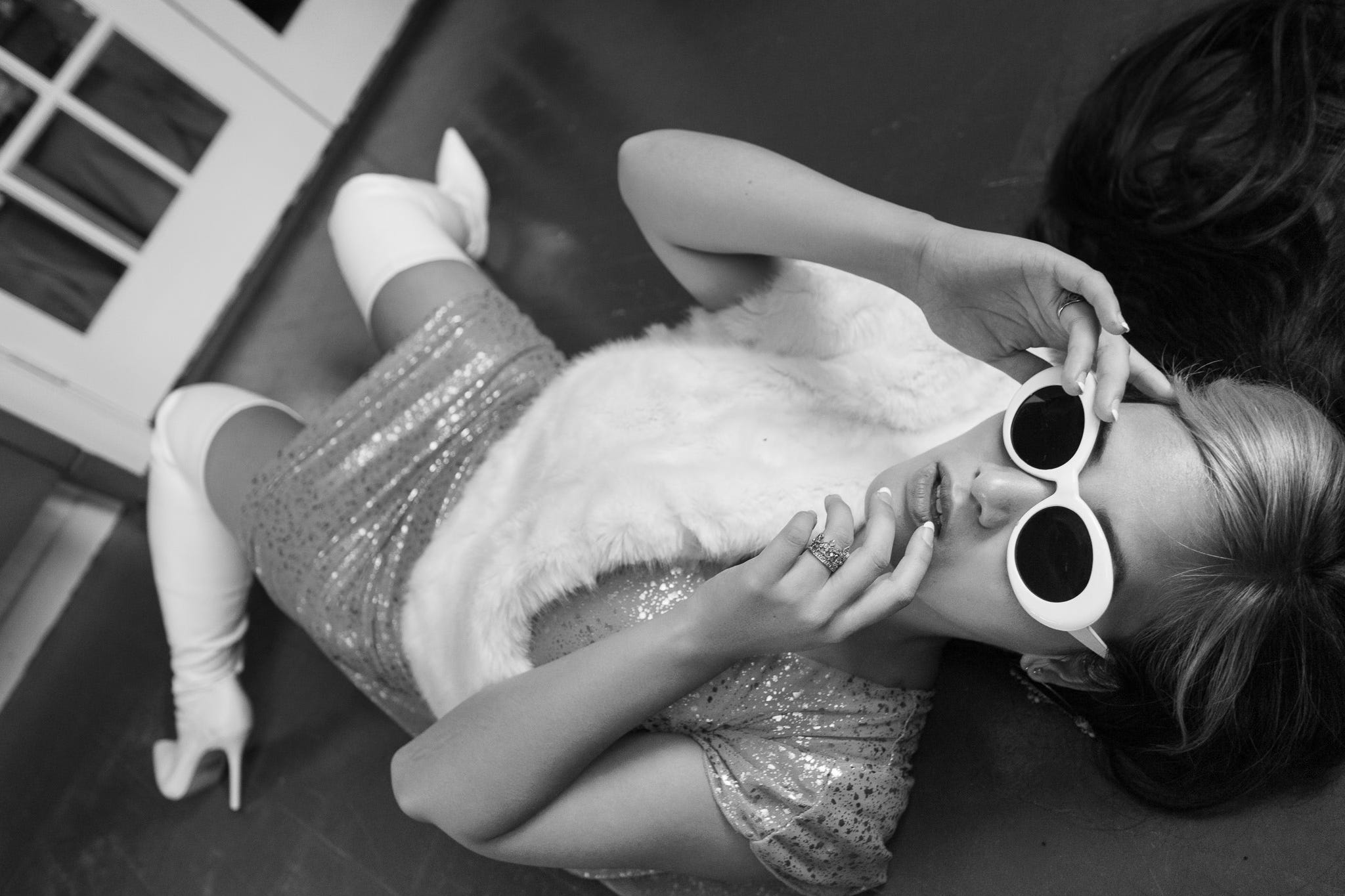
There are a few things to consider here, one is ugly noise which I agree just looks bad and terribly digital. The 5Ds/R has very small, mostly luminance noise that looks a lot like film grain, no simulation required. What’s more is at 1600 ISO (maybe even 6400 as I am being very conservative here) it looks way more like really low ISO 35mm film, even low ISO medium format film. I never had an issue with grain, depending on the context, in many ways it can set a mood and imply the lighting environment. All the ISO invariant, crazy amounts of exposure manipulation, pushing shadows many stops, all of it really doesn’t help photographs to be good.
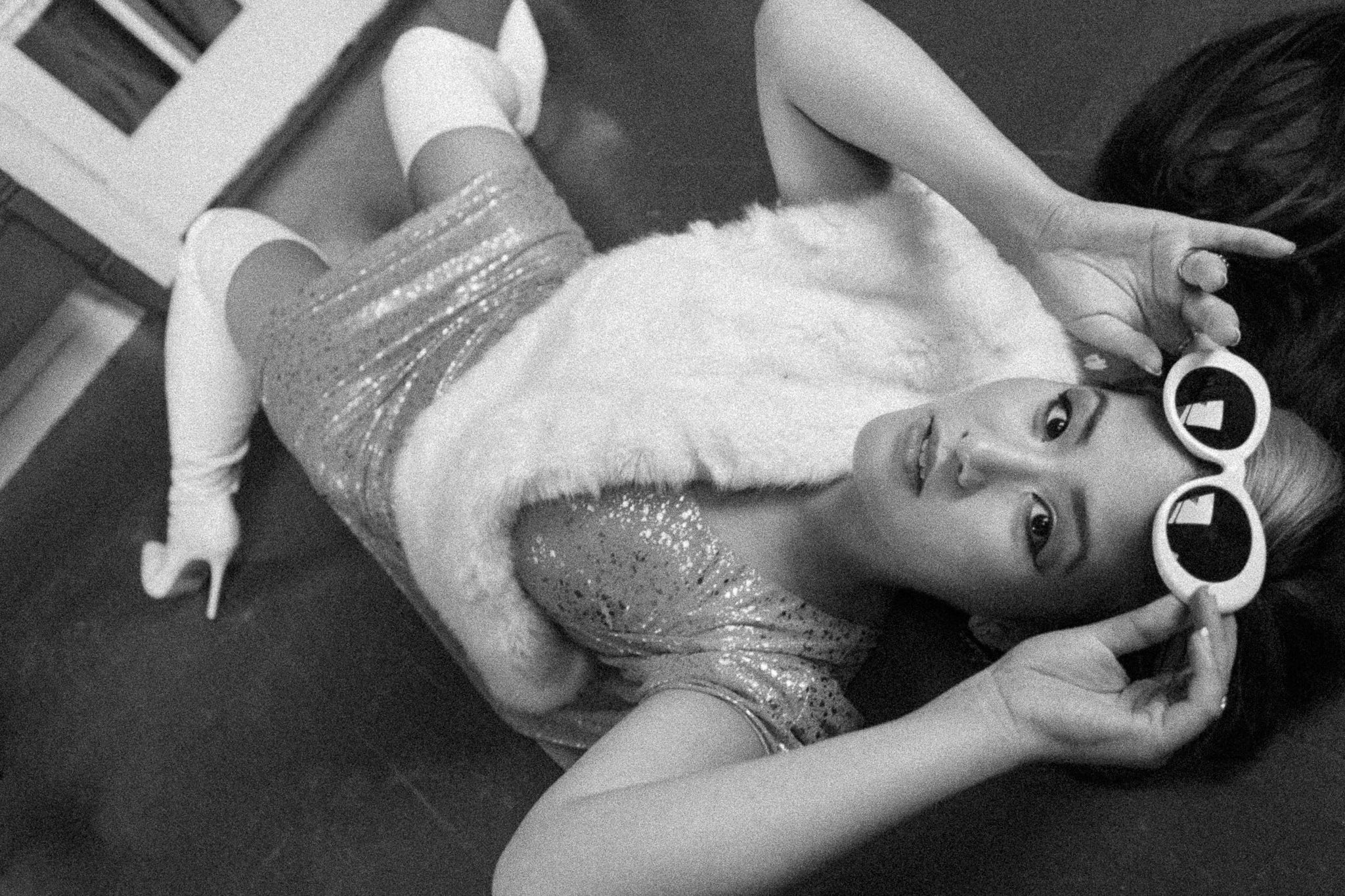
In many ways drastic exposure manipulation is wrong-headed. Massive manipulations are serve as some sort of half-measure to changing the light in the scene. They mostly stem from making pictures in the wrong light for the kind of picture you wanted in the first place. Yes, I know people love to watch crappy pictures revived into WOW in Lightroom, and Photoshop, etc. Wow, will you look at that… are they good pictures? Meh, they are forgettable pictures for the most part and have none of the impact great pictures have. In many great pictures it’s using the light and working with it, imagining and knowing how cameras see the scene, recognizing that opportunity and doing a reasonable job of capturing it.
Let your shadows go black, make it part of your style, be more graphic, use less contrast sometimes, use way too much, double down on some of the things your trying to “fix”. If it’s dark why make it look like it was bright??? Use the mood, see the scene and the light the way cameras naturally see the scene and lean into that instead of trying to overcome the way cameras see light. I promise, you’ll have more fun, be more satisfied, and make better pictures.
I choose these pictures on purpose as these were an experiment to see what would happen if I used this camera at an extreme. Could I make dusk look like daytime window light given the color, props (dress, sunglasses, etc) and pose. The answer is yes, the question is should I? Probably not but just about every camera in the last decade and more can do this, but should you? Probably not. You’ll find far more joy living with limitations. Forget auto ISO and safe shutter speeds telling yourself you’ll decide what the picture looks like way after you make it. Let some motion blur in, let shadows be murky, carefully evaluate your highlights. Have fun, make better pictures, don’t worry about new gear so much.
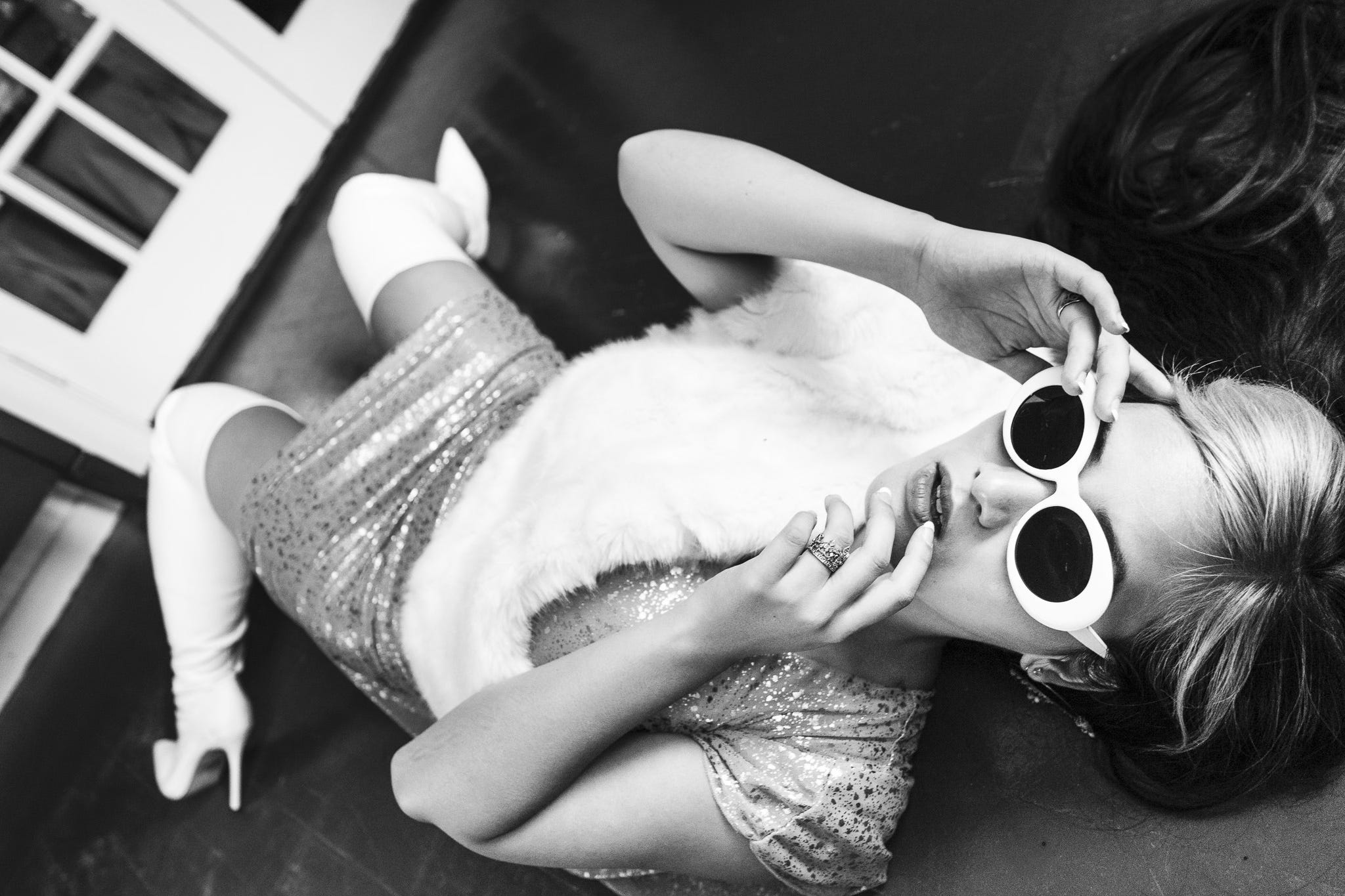
A useful reminder about the Canon 5DS/r 60MP: I intend to bring it on my next botanical garden visit. It performs very well at 1600 ISO, particularly when using DXO FilmPack 8 for film emulation and noise reduction.